


 720-777-0123

-
Conditions & Advice

Parenting Tips and Advice
From bringing home a new baby to building trust with your teen, our pediatric experts share guidance to help you navigate the ups and downs of parenthood.
-
Your Visit
Click to find the locations nearest you
Find locations by region
See all locations -
Research & Innovation

It starts with a Q:
For the latest cutting-edge research, innovative collaborations and remarkable discoveries in child health, read stories from across all our areas of study in Q: Advances and Answers in Pediatric Health.


ParentSmart HealthlineTM
Caring pediatric nurses are available 24/7 to help answer your questions.
Send Postal Mail To:
Children’s Hospital Colorado
Anschutz Medical Campus
13123 East 16th Avenue
Aurora, CO 80045
Emergency Locations
In life-treatening emergencies, find the emergency room location nearest you. For non-life-treatening medical needs when your pediatrician is unavailable, visit one of our convenient urgent care locations.
Not sure? Choose the right type of care in the heat of the moment. Help me decide
More Options


Tuberous Sclerosis Clinic
Tuberous Sclerosis Complex
We specialize in the big things, the small things and everything in between.


What is tuberous sclerosis complex?
Tuberous sclerosis complex (TSC) is a rare, multisystem genetic disease that causes benign (noncancerous) tumors, also called hamartomas. These tumors can grow on the brain and on other organs such as the kidneys, heart, eyes, lungs and skin. The name tuberous sclerosis comes from the characteristic tube-shaped lesions that grow in the brain and harden with age.
TSC usually affects the central nervous system and results in a combination of symptoms including seizures, developmental delay, behavioral issues, skin abnormalities and kidney disease.
When do kids first show signs of tuberous sclerosis complex?
Many kids with TSC show signs of the disorder in the first year of life. However, early signs and symptoms might be mild and easy to miss, and other symptoms sometimes take years to develop. This means it can sometimes take a while to get a TSC diagnosis.
What causes tuberous sclerosis complex?
Our genes are the blueprint for how our bodies grow, develop and function. TSC is caused by changes, or variants, on the TSC1 or TSC2 genes. These genes typically interact with proteins that help control cell growth and size. When there are changes in these genes, this control of cell growth does not happen properly. Only one of the genes needs to be affected to cause TSC.
Who gets tuberous sclerosis complex?
TSC can be passed from a parent to a child. A child only needs to inherit one changed copy of the TSC1 or TSC2 gene to develop the condition. About one-third of people with TSC inherit it from a parent. The other two-thirds have a new genetic change that happens before birth. This means it’s not inherited, and a parent didn’t do anything before or during pregnancy to cause this random genetic change.
TSC affects about 1 in every 6,000 to 8,000 babies born. An estimated 57,000 people in the United States and more than 1 million people worldwide are living with TSC.
What are the signs and symptoms of tuberous sclerosis complex?
Tuberous sclerosis complex can be associated with a wide range of signs and symptoms. Most are related to the tumors caused by the disease. The noncancerous tumors can grow in all parts of the body, but they’re most commonly found on the brain, kidneys, heart, lungs, eyes and skin.
The signs and symptoms of TSC are unique to each person, but they can include:
- Neurological issues due to brain tumors can include seizures or spasms, mental issues such as developmental delays, autism spectrum disorders, learning disabilities, and behavioral problems such as hyperactivity, aggression and social and emotional adjustment issues
- Skin abnormalities, such as patches of light-colored skin, thickened skin, reddish bumps and facial growths resembling acne
- Ungual or subungual fibromas, which are tumors that grow in or around the beds of fingernails and toenails
- Eye abnormalities, such as white patches on the retina, which sometimes affect vision
- Kidney dysfunction affecting the kidney’s process of cleaning the blood and expelling toxins through urine
- Kidney tumors, benign or cancerous growths on the kidney that need monitoring and possibly treatment
- Heart issues, such as circulation problems, are caused by growths on the heart, which are usually larger at birth and shrink as the person grows
- Lung problems, including coughing and shortness of breath (these lung tumors are more common in women than in men)
People with TSC are at risk for life-threatening symptoms related to the brain tumors, kidney lesions or pulmonary lesions. That’s why continued monitoring by a doctor experienced with TSC is important. If your child’s symptoms are not too severe, most people with the disorder can look forward to normal life expectancy with appropriate medical care.
How do we test for tuberous sclerosis complex?
Your child’s doctors will likely perform several tests to help them diagnose TSC, including:
- Brain magnetic resonance imaging (MRI) and other advanced neuro-imaging to visualize tumors
- Electroencephalogram (EEG) to detect any abnormal brain activity
- Echocardiogram (ECHO) to help doctors visualize any tumors on the heart
- Electrocardiogram (EKG) to determine if the heart’s circulation is affected by tumors
- Chest computerized tomography (chest CT) to create a 3D image of the abdominal cavity
- Renal ultrasound and abdominal MRI to create a detailed image of the kidney to determine the existence, size and number of tumors or cysts
- Genetic testing for mutations in the TSC1 or TSC2 genes is positive in about 85% of people with TSC. There remains a subset of about 15% who clearly have TSC but are gene testing negative
Why choose us to test for tuberous sclerosis complex?
At Children’s Hospital Colorado, we have a comprehensive multidisciplinary clinic for TSC that allows coordination of testing to minimize stress for patients and their family. In addition, all our imaging tests are designed for kids. If radiation is needed, we use the lowest amount possible. We also use distraction techniques to help kids keep still so we can produce better images, and we use technology like virtual reality headsets to further reduce stress.
Tuberous sclerosis complex treatment
While there is no cure for TSC, doctors at Children’s Colorado can treat the variety of complications it causes. As TSC is a lifelong condition, our care team is committed to regularly monitoring your child to ensure they are receiving the best possible treatments in a hospital designed just for kids.
Treatment depends widely on what part of the body TSC is affecting and how severely. Treatment options for the following complications may include:
Seizures and brain tumors
If your child is at risk of seizures due to brain tumors, we may prescribe antiepileptic drugs. We also may prescribe Everolimus (Afinitor®) to treat the benign brain tumors known as subependymal giant cell astrocytomas (SEGA). This medication is also effective for kidney lesions called angiomyolipomas.
Behavioral problems
For behavioral problems, we may recommend an assessment with a developmental pediatrician to determine the need for prescription medications or therapeutic intervention programs (such as early intervention programs, occupational or applied behavior analysis, or ABA, therapy) that can benefit children with special needs and developmental delays caused by TSC.
Cognitive and learning challenges
We usually offer a neuropsychological evaluation to determine your child’s areas of difficulty that may be related to TSC. The evaluation consists of completion of standardized assessments of broad intellectual ability, language, visual spatial and visual motor functioning, memory, attention, executive functioning, as well as behavioral and adaptive screening. Our team uses the results to determine the presence of cognitive and/or learning difficulties (such as ADHD or specific learning disorders) and to provide recommendations for school-based interventions through an Individualized Education Program (IEP) or Section 504 Plan.
Kidney tumors
We may observe the benign tumors until they grow larger and at that point suggest the medication everolimus or procedures to control the tumors. In very rare instances, we may suggest surgery to remove tumors from the kidneys if they appear to be cancerous.
Brain lesions
Your child’s doctor may also recommend surgery for controlling epilepsy if medications are not effective.
Skin changes
There are many skin changes unique to children with TSC. These changes can help in the diagnosis of TSC and there are options to start treatment in early childhood.
Breathing issues
Breathing issues related to TSC generally only impact adult women. We treat lung involvement in TSC with supplemental oxygen therapy, everolimus or similar medications.
Why choose us for treatment of tuberous sclerosis complex?
Our team has extensive experience caring for children with TSC, from mild to more complex cases. Because TSC can affect children in many different ways, having a team of specialists who understand the condition is important. Children with TSC often need to see doctors from several different specialties to get the best treatment. Here at Children’s Colorado, we have a multidisciplinary TSC program, which brings together all the relevant medical teams into one clinic, so your child can see everyone they need to see in one visit. We work together to monitor your child’s health, address complications early and provide care tailored to your child’s unique needs.
Additionally, our hospital’s location on Anschutz Medical Campus means we can provide comprehensive care with a focus on education and research for both children and adults. We collaborate with adult neurologists at the UC Health University of Colorado Hospital and University of Colorado School of Medicine to coordinate care for patients with TSC throughout childhood and into their adult life.
The Tuberous Sclerosis Clinic at Children’s Colorado
We created the Tuberous Sclerosis Clinic to address all the issues and complications for kids with TSC. Our multidisciplinary team provides medical, genetic, neuropsychological, dermatological and social support for children with TSC and their families.
During your visit to the multidisciplinary clinic, your child will see a pediatric neurologist, dermatologist, genetic counselor, urologist/nephrologist, developmental pediatrician and neuropsychologist. A social worker and community alliance volunteer will also provide supportive counseling. They can help patients and families get resources and support within the community. This appointment will last about 3-4 hours.
Our TSC Clinic partners with the TS Alliance to offer their TSC Clinic Ambassador Program. This program pairs a TS Alliance community volunteer with our Clinic to help families affected by TSC (especially those newly diagnosed) to deal with the emotional challenges of the disease. Clinic ambassadors share their personal experience with TSC and provide local and regional resource information, including community activities.
Follow-up clinic for tuberous sclerosis
Our follow-up clinic provides ongoing care for your child’s medical, psychological and social needs. During yearly follow-up visits, our team will evaluate the progression of your child’s TSC and create a treatment plan to address any new physical or behavioral developments. Our social worker and community alliance volunteer will also provide supportive counseling and help your family get resources and support within the community. Follow-up visits last approximately three hours.
Sending medical records before your appointment
It is important that we review all medical records including any diagnostic tests prior to your visit. If you have records from outside Children's Colorado, please mail them to us prior to your child’s appointment. Please provide imaging (MRI, ultrasound,etc.) on a CD and mail to:
Children's Hospital Colorado
Attn: Tuberous Sclerosis Clinic
13123 E. 16th Ave., Box B155
Aurora, CO 80045
Helpful resources
- The Tuberous Sclerosis Clinic at Children’s Hospital Colorado provides education, support and care for those with TSC and their families. For information on the clinic, please call 720-777-6895
- The Tuberous Sclerosis Alliance is on a mission to find a cure for TSC while improving the lives of those affected.
- The Genetics Home Reference is the US National Library of Medicine’s guide to understanding genetic conditions.
Next steps
-
Would you like to learn more about us?
Learn more about our Multidisciplinary Care -
Do you have questions about your child’s condition?
720-777-6895
Get to know our pediatric experts.

Maria Novoa Uriarte, MD
Developmental/Behavioral Pediatrics
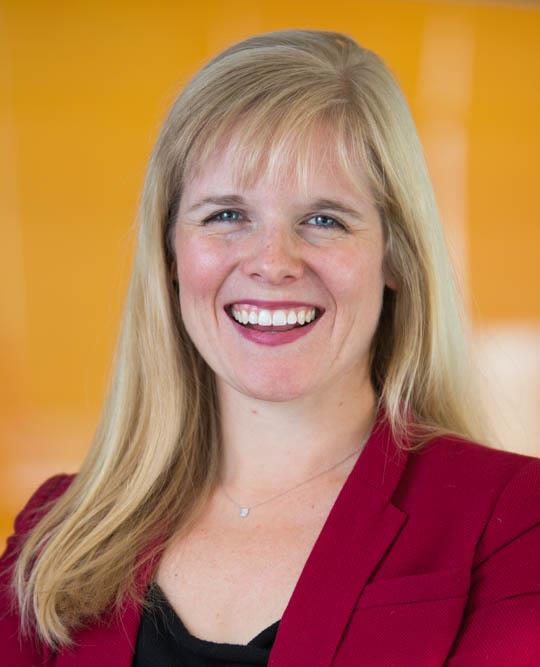
Lauren Treat, MD
Neurology - Pediatric, Hospice & Palliative Medicine
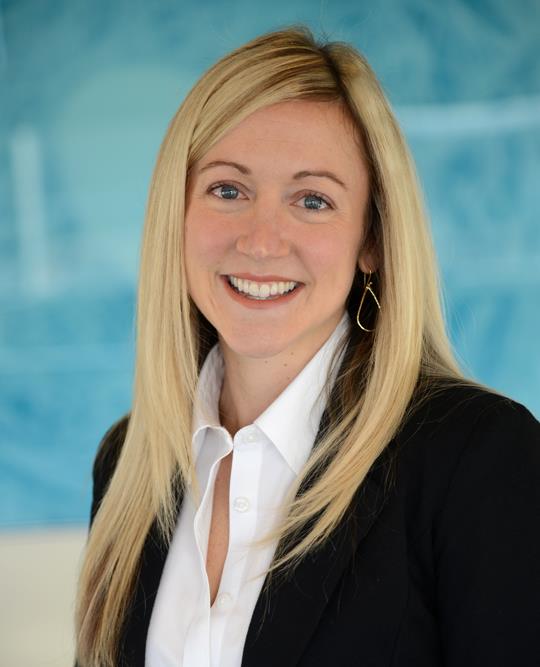
Ellen Dallow, PNP
Certified Pediatric Nurse Practitioner
Patient ratings and reviews are not available Why?
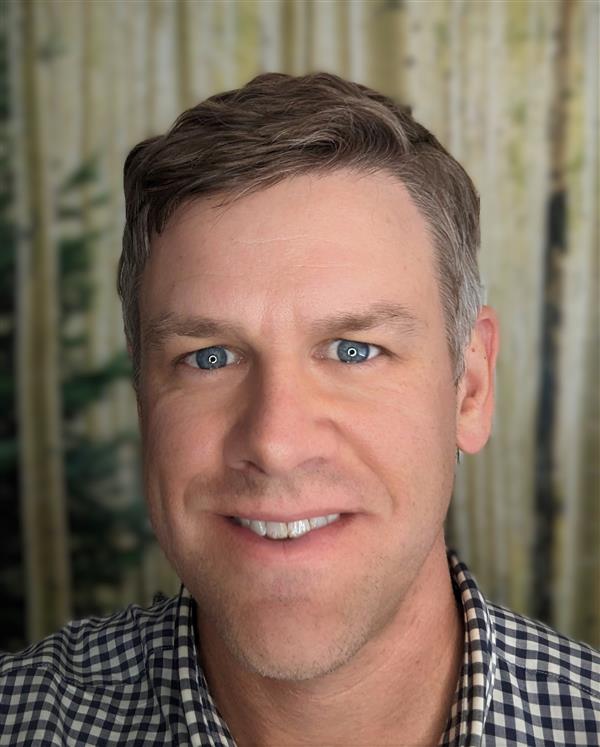
Austin Larson, MD
Clinical Genetics and Genomics - General, Medical Biochemical Genetics