



 720-777-0123






When kids start to feel overwhelmed by stress or other big emotions, it can be hard for them to know how to calm themselves down. Many caregivers look for calming techniques or breathing exercises that can help ease anxiety or other challenging emotions in children. These tools are powerful starting points to emotional regulation.
The goal of emotional regulation is to help kids return to a calm, steady place. It’s about teaching them to recognize big feelings, understand what those emotions are communicating, and how to use healthy tools to settle their body and their mind. These supports may include breathing exercises for stress, mindfulness, movement, pleasant activities and other small steps that help the child feel in-control.
Why is breathing such a powerful tool to regulate emotions?
“Our emotions are very connected to our physical bodies,” says Cora Christiaans, LCSW, a behavioral health clinician at Children’s Hospital Colorado.
When kids experience strong emotions, their body often reacts automatically. Their fear or anxiety is telling the body that there is something wrong. This can trigger the body’s fight, flight or freeze response — the system that prepares us to respond to danger.
When this happens, a child’s breathing naturally becomes faster and more shallow. Their body is trying to take in extra oxygen, just in case it needs to run or defend itself.
Deep, slow breathing does the opposite. Breathing exercises signal to the brain that the body is safe. When kids take steady, deep breaths, their heart rate slows, their muscles relax and their brain begins to shift out of a stress response. This is why breathing exercises can be an effective stress management tool for kids.
Breathing exercises for kids
Every child is different, and the best strategy is the one they enjoy and feel comfortable practicing. Christiaans notes that kids often benefit from playful or imaginative approaches.
Here are some commonly helpful techniques:
- Square breathing: Breathe for even amounts of time — breathe in for four seconds, hold for four seconds, out for four seconds, wait for four seconds. The child can also trace the sides of a square while breathing.

- Imaginative breathing: This can include playful prompts like “blow on the pizza to cool it down” or “blow out the candles on the birthday cake.” These visual cues can help younger kids focus on their breathing.
- Mountain breathing: Have your child trace up and down the fingers on their hand. They can breathe in while tracing up a finger and breathe out while tracing down a finger.
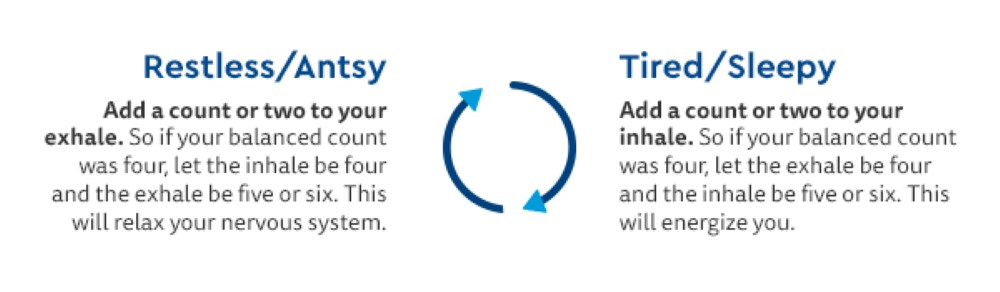
- Longer exhales: Have your child breathe out for longer than they breathe in (in for four seconds, out for six seconds). This longer exhale tells the body that you don’t need more oxygen.
Helpful tips for younger kids
Younger kids may be more engaged with breathing exercises when they include their interests or special props. Here are some ideas of objects that can encourage deep breathing:
- Pinwheels to blow on
- Feathers to move with gentle breaths
- Color-changing toys that encourage slow breathing
- Blowing bubbles
- Playful items (kids can breathe while moving a small toy car in a square or along an imaginary track)
Using props or play can help make breathing exercises seem fun rather than forced, which helps kids practice them more often and enjoy their calming effects.
Movement and social connection
Movement-based activities are another powerful way to help kids calm their bodies and regulate their emotions. Exercise and movement helps the body and the mind return to a calm, balanced state — but not in the way many people think. It’s not about “releasing” emotions. Instead, physical activity naturally engages the body’s regulation systems. After movement, a child’s heart rate and breathing gradually settle, which helps their body and mind feel calmer and more in-control.
Caregivers can encourage kids to pair movement with breathing exercises for added benefit, but it’s often better to focus on one thing at a time, especially for younger kids. You can make movement-based activities more engaging by incorporating favorite books, characters or movement games that match their interests.
Social connection also plays a role in emotion regulation. Engaging with friends, family or caregivers helps kids refocus their attention on the present moment, which acts as a mindfulness practice.
When kids are alone in their thoughts, it can be difficult to distract them from stressors. Positive social interactions can boost confidence and make it easier for children to try new activities or face challenging emotions. Confidence is an important part of emotional health — when kids feel capable, they are better able to manage stress and avoid cycles of anxiety or low moods.
Activities and small steps towards stress management
Helping kids engage in activities they enjoy or find meaningful can be a powerful way to support emotional regulation and stress management. Scheduling time for pleasant or productive activities — even very small ones — can improve mood and help kids feel more in-control.
Children experiencing anxiety, depression or other mood challenges often lose interest in things they used to enjoy. Avoiding activities can create a cycle where low mood or stress continues to build. Breaking activities into tiny, manageable steps makes them easier to approach and more likely for kids to succeed. The feeling of accomplishing a small task can be an effective motivator for continued engagement in an activity.
For example, if a child used to love riding a scooter but now avoids it, a simple first step might be watching a video of someone riding a scooter. Gradually reintroducing pieces of the activity can help the child reconnect with it without feeling overwhelmed. It’s common and normal for kids to feel a bit of discomfort with these steps, but they shouldn’t be so uncomfortable that the activity feels unmanageable.
Encouragement and praise for these small steps are key. Praise should be specific so your child knows exactly what desirable behavior you are praising. For younger kids, simple rewards, such as stickers or a point system, can help reinforce progress and build confidence.
Small steps work so well because strong emotions often make children withdraw and feel lonely. When kids avoid activities or social connections, those emotions can intensify. Engaging in small, pleasant activities can help children practice resilience and gradually rebuild a sense of control.
Another helpful mindfulness technique is to work with the five senses. Have your child focus on five things they can see, four things they can touch, three things they can hear, two things they can smell and one thing they can taste. This activity helps kids ground themselves in the present moment. It is a distraction technique to take the mind away from anxious thoughts.
Christiaans compares mood and energy to a bucket of water: each day, stress or challenging emotions poke holes in the bucket. Doing these activities and mindfulness practices help refill it, so that children are not “running on empty” and are more able to cope with challenges.
How to handle avoidance to calming activities
Sometimes, kids will avoid engaging in activities or other calming practices like breathing exercises. Kids may experience this due to low confidence or the natural discomfort of stepping outside of their comfort zone.
“It’s really important to validate that urge to avoid — validate what makes the activity feel hard or scary,” Christiaans says.
If a child has very strong emotions around avoiding a step towards an activity, it can be a sign the step is too big. Breaking the task into smaller, manageable pieces can make it feel more achievable and positive, increasing the likelihood of success and feelings of accomplishment.
It’s also important for these activities to feel fun, not like chores or something children “have to” do. You can make it feel fun by involving the whole family, or neighbors and friends, in an activity. Doing activities together not only makes them more enjoyable but also models participation and helps children feel supported.
Making a plan
For kids of all ages, starting with a simple plan can make stress management more manageable and consistent. One way to begin is by keeping track of daily activities and moods. Writing down what your child does each day — and what they don’t do — helps you see patterns and identify what improves their mood.
Next, make a list of pleasant, relaxing activities your child enjoys. These can include breathing exercises for stress, mindfulness practices, movement, or other small activities that bring a sense of accomplishment. Prioritizing these activities is important, because when stress is high, the “fun stuff” is often the first to be skipped.
Older kids, like teenagers, can take a more independent approach by scheduling activities on their phone or calendar and deciding on rewards for completing them. Younger children can work with parents to set up small rewards such as stickers, points or special family activities.
Tracking progress helps make these steps more effective. After doing an activity, ask your child to reflect on how it affected their mood. For example, they can rate their mood on a scale from 1 to 10 before and after the activity. You can also track any barriers that came up — things that made it hard to complete the activity — and brainstorm ways to adjust the plan for next time.
Journaling can be helpful for all kids, offering a way to reflect on their feelings and activities. By keeping track, making small, achievable plans and celebrating progress, children gradually build routines that support emotional regulation and confidence, even during stressful times.
Neurodivergence and anxiety
These strategies are also effective for neurodivergent children, including those with autism, OCD or ADHD. The main difference is that these kids may be more resistant to trying new activities or following a plan.
Caregivers can get creative in how they present these strategies. Incorporating a child’s special interests can make mindfulness or breathing exercises more engaging and enjoyable. Gamifying activities with a point system, rewards or friendly challenges can also help motivate participation.
With a little flexibility and personalization, neurodivergent children can benefit from these tools just as much as their peers, building skills to manage stress, regulate emotions and feel more in control.
What to do in the moment of big emotions
When a child is experiencing very big emotions, it can be challenging for caregivers to know how to respond. The most important thing is to stay calm and validate your child’s feelings. This doesn’t mean you have to agree with how they’re acting, such as throwing a tantrum, but you can acknowledge that their emotions feel intense and real. Here are some steps that can help:
- Give space: If your child is safe and not at risk of harming themselves or others, allow them a little time to settle down. Sometimes a short break is what they need to start regulating their emotions.
- Validate and offer help: Let your child know you see and understand their feelings, and that their feelings make sense for the situation. Ask how you can support them in that moment.
- Prompt a calming activity: Once they are ready, gently suggest a coping strategy, such as a breathing exercise, mindful movement or another small step that helps them regain control.
By staying calm and supportive, caregivers can help children move from intense emotions toward a more regulated, steady state.
Helpful resources
Here are some videos of breathing exercises to try with kids:
- Box breathing exercise: Follow along with the red balloon as you inhale for four seconds, hold for four seconds and exhale for four seconds.
- Calming breathing exercise: Follow along with the sun as you inhale for four seconds, hold for four seconds and exhale for eight seconds.
Find additional ways to help children build coping skills and support their mental health.
Featured expert
Cora Christiaans, LCSW
Behavioral Health Clinician


