


 720-777-0123

-
Conditions & Advice

Parenting Tips and Advice
From bringing home a new baby to building trust with your teen, our pediatric experts share guidance to help you navigate the ups and downs of parenthood.
-
Your Visit
Click to find the locations nearest you
Find locations by region
See all locations -
Research & Innovation

It starts with a Q:
For the latest cutting-edge research, innovative collaborations and remarkable discoveries in child health, read stories from across all our areas of study in Q: Advances and Answers in Pediatric Health.


ParentSmart HealthlineTM
Caring pediatric nurses are available 24/7 to help answer your questions.
Send Postal Mail To:
Children’s Hospital Colorado
Anschutz Medical Campus
13123 East 16th Avenue
Aurora, CO 80045
Emergency Locations
In life-treatening emergencies, find the emergency room location nearest you. For non-life-treatening medical needs when your pediatrician is unavailable, visit one of our convenient urgent care locations.
Not sure? Choose the right type of care in the heat of the moment. Help me decide
More Options


Pediatric Liver Transplant Process
The shortest wait times in the nation combined with our skilled multidisciplinary transplant team mean you have found a place made for the moments that lead to more tomorrows.


There are many steps on the road to a child’s liver transplant, and every family has its own unique journey. The overall process is similar for all our patients, but we personalize each child’s care plan to meet their individual needs.
The first step in our liver transplant journey is an evaluation with our multidisciplinary team.
Getting evaluated for a pediatric liver transplant
A pediatric liver transplant evaluation helps our team understand your child’s health needs and decide whether a liver transplant is the best treatment option. Your family will meet with specialists who will guide you through each step and answer your questions along the way.
How can I prepare for my child’s pediatric liver transplant evaluation?
To get ready for your child’s evaluation, you can:
- Gather your child’s medical records, including your child’s medical history, current medications, immunization records, results from imaging studies and family history.
- Make a list of questions you and your child have about the transplant process.
- Prepare for two long days by bringing comfort items and entertainment for you and your child. We provide snacks and toys.
- Talk to your child about what to expect, such as getting a physical exam (including blood tests and imaging scans) and meeting many different transplant team members.
What happens during my child’s pediatric liver transplant evaluation?
Our comprehensive pediatric liver transplant evaluation takes two days and includes:
- Medical and surgical history review, including questions about your child’s past illnesses, surgeries, treatments and family history
- Blood tests and imaging scans (like MRI or CT) to understand the severity of your child’s liver disease
- Physical exam to be sure your child is healthy enough for surgery and that a transplant is the best choice for your child
- Mental health and behavioral exam with a psychologist and social worker to make sure you and your child are emotionally prepared for the surgery, post-transplant care and living with a new liver
- Family support meeting with a social worker and family navigator to discuss financial resources, lodging options and other community resources
Types of organ donations and pediatric liver transplants
We often think of a transplant as a person getting a whole organ from a deceased donor. That is one option for liver transplants, but there are several others, including a living-donor organ transplant. A healthy liver from either a deceased or living donor can be an excellent option to treat your child's liver disease. You and your care team will decide together which approach is best for your child.
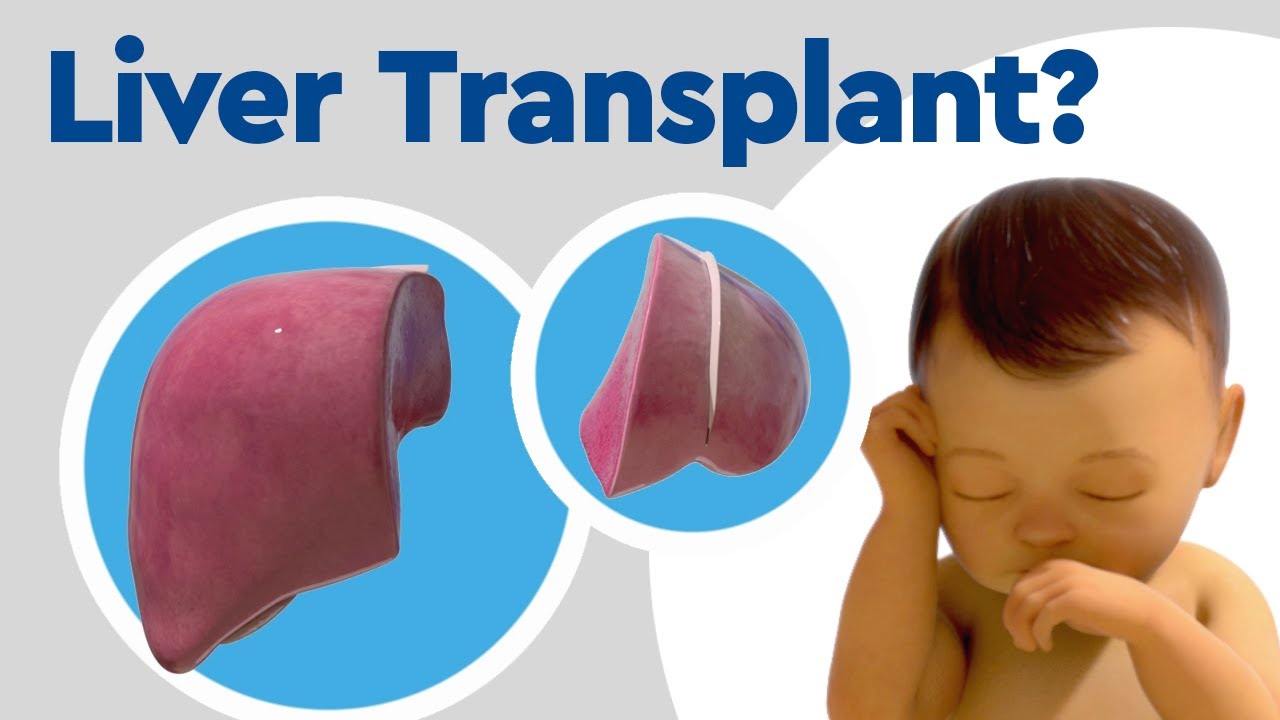
Options for a pediatric liver transplant
Watch this video to learn about the different kinds of liver transplants a child can receive at Children’s Colorado.
Deceased-donor liver transplant
A deceased-donor transplant happens when a person agrees to donate their organs after they die. There are two types of deceased-donor liver transplants:
- Whole-liver transplant: The transplant surgeon replaces your child’s diseased liver with the entire donor liver. Whole-liver transplants can be less complicated than other transplant options and provide great outcomes for kids. They are less common in kids than adults because they require finding a donor liver that is small enough for your child.
- Split-liver transplant: Surgeons divide a donor’s liver into two pieces. Your child gets one part of the donor liver, sized to match their needs. Another child or adult receives the second part.
Living-donor liver transplant
A healthy adult can also donate a liver to a child as part of a living-donor liver transplant. Surgeons remove a portion of a healthy adult’s liver to replace your child’s entire sick liver. After the transplant, the donor’s liver will grow back to its normal size (regenerate), and the transplanted part of the liver will keep growing as your child grows.
Getting a liver from a living donor means your child doesn’t have to wait for a deceased-donor liver from the waitlist. This option allows your child to get a transplant sooner, when they are usually healthier and better able to tolerate the surgery. A living-donor transplant also allows you to prepare your child and make arrangements for things like childcare, time off from work and other commitments.
Learn more about our pediatric living-donor liver transplant program.
Preparing for your child’s pediatric liver transplant surgery
Preparing for pediatric liver transplant surgery can bring up many questions and emotions. Understanding what to expect can help your family feel more confident and supported.
Who will be part of my child’s liver transplant team?
At Children’s Colorado, your family gets compassionate, coordinated care and support every step of the way. Our multidisciplinary transplant team works together to provide comprehensive care before and after your child’s transplant.
Our liver transplant medical team includes experienced pediatric experts, such as:
- Transplant surgeons
- Transplant hepatologists
- Anesthesiologists
- Infectious disease specialists
- Interventional radiologists
- Transplant nurse coordinators
- Transplant pharmacists
You and your child also get comprehensive support throughout your journey from our:
- Child life specialists
- Dietitians
- Psychologists
- Social workers
- Transplant financial coordinator
How will the transplant team help my child get ready for surgery?
Our team works closely with you and your child to make sure everyone is ready for liver transplant surgery. We start by explaining what to expect before, during and after the transplant. We answer your questions and explain the surgery in ways your child can understand.
To prepare your child for surgery, we will conduct:
- Medical exams, including blood tests and a physical exam, to make sure they are healthy enough for surgery
- Blood type review
- Imaging scans to determine the right liver size and shape for your child
Your care team will also provide:
- Community resources to help your family prepare for the transplant
- Emotional support to help you and your child cope with any feelings you may have as the transplant gets closer
- Nutrition planning with a dietitian to learn about diet changes that can help your child have a successful surgery and recovery
- Presurgery instructions, such as fasting (not eating and drinking) for several hours before surgery
How can I help my child get ready for liver transplant surgery?
Your transplant team will guide you on how to talk with your child about surgery. You know your child best, and your support can help them feel more prepared. Other ways to prepare can include:
- Gathering important information to bring with you
- Making a list of questions to ask the transplant team
- Packing for your stay
- Scheduling a presurgery tour
Your child’s transplant team will make sure you have detailed information before your child’s liver transplant. Learn more about the ways you can prepare for your child’s surgery and overnight stay.
What to expect during your child’s pediatric liver transplant
Our highly trained transplant team will be by your child’s side, delivering expert, specialized care at every stage of the procedure.
How long does a pediatric liver transplant take?
Your child’s surgery may take six hours or longer, depending on the type of surgery and your child’s unique needs. A member of our team will give you updates throughout the surgery.
What happens during my child’s pediatric liver transplant?
During the transplant:
- Your child will be under general anesthesia and won’t feel any pain.
- We will use tubes, drains, monitors, IV lines and a breathing tube to help care for your child during and immediately after surgery.
- Our transplant surgery team will remove your child’s liver and replace it with the donor liver.
- Your child will likely go to the pediatric intensive care unit (PICU) after surgery for close monitoring.

What to expect with a pediatric liver transplant
Watch this video for an overview of the process for your child’s liver transplant.
What to expect after a pediatric liver transplant
Your child will get specialized 24/7 care from our PICU staff. The medical team will watch closely for bleeding, infection and signs of how the new liver is working. Every Children’s Colorado PICU specialist is trained in advanced medical techniques to care for children with complex medical conditions.
What is recovery like after a pediatric liver transplant?
Your child should fully recover from their liver transplant in about four to six weeks. Your child can expect to:
- Stay at Children’s Colorado for about 10 to 15 days
- See a pediatric transplant hepatologist twice a week for about four to six weeks after the transplant
- Return to normal activities after four to six weeks
- Visit the Children’s Colorado transplant team several times each year to monitor their overall health and development
The best way to support your child’s transplant success is to help them live a healthy lifestyle and take their medications as prescribed.
What are possible complications and side effects of a pediatric liver transplant?
A pediatric liver transplant comes with risks, just like any surgery. You can lower your child’s risk of complications and side effects by choosing an experienced pediatric liver transplant center like Children’s Colorado. Our extensive transplant experience helps us prepare for and reduce complications and side effects.
- Complications can include bleeding, bile leaks and narrowing of the bile duct (called strictures). Most complications are treatable.
- Side effects usually come from the antirejection medicines (also called immunosuppressants) your child must take to keep their body from rejecting the new liver. These effects may include weight gain, increased blood pressure and a higher risk of infection. Your child’s care team can help adjust your child’s medicines to reduce side effects while keeping their new liver healthy.
Will my child have restrictions after a pediatric liver transplant?
Our transplant team usually recommends very few restrictions after a pediatric liver transplant. Our goal is to give your child the best possible quality of life without any limitations from the organ transplant. This means they will be able to:
- Eat a typical diet
- Go to school
- Participate in their favorite activities, including sports
- Play with other children
We work together with you to decide the right timing for your child to return to school, day-to-day activities and sports.
Can my child travel internationally after a pediatric liver transplant?
Yes, traveling internationally is OK as long as your child has access to quality healthcare facilities during your trip. Your child may also need to get extra vaccinations before traveling to certain countries. Please share your travel plans with your transplant team so we can be sure your child has everything they need to travel safely.
Travel, lodging and financial support for transplant families
Planning for your child’s liver transplant involves more than just preparing for surgery. It also includes coordinating travel, preparing for your family’s daily needs and knowing where to turn for help when you need it. We’re here to help you navigate the process as smoothly as possible.
Where can I stay if I’m not from Denver?
Many families travel to Children’s Colorado for liver transplant care. If you need a place to stay, your social worker can help you explore options to meet your family’s needs. Depending on availability, your family may be eligible to stay at the Family Resource Center, Brent's Place or Ronald McDonald House.
Will insurance help cover my housing and travel costs?
Your transplant financial coordinator will help you understand your insurance benefits during the transplant evaluation. They'll review your coverage for travel and housing, and explain other possible options for financial support.
Are there other financial resources to help cover our costs?
Yes. Depending on your family's needs, you may qualify for programs that help cover travel, lodging, meals and other expenses. During the two-day transplant evaluation, your transplant social worker or financial coordinator can help connect you with available resources.